Why EEG Testing Matters After a Stroke
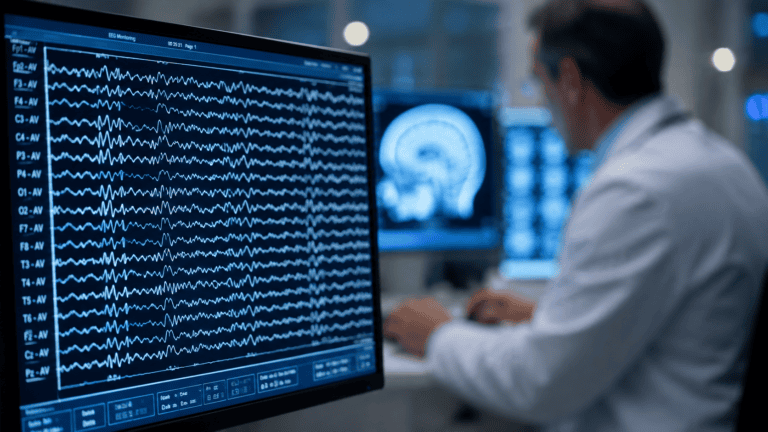
An EEG, or electroencephalogram, is a simple, noninvasive test that measures the electrical activity in your brain. Tiny sensors are placed on your scalp to pick up brain waves, which are then recorded as lines on a screen. There are no needles, and it does not send electricity into your head. It only records what your brain is already doing.
After a stroke, the way your brain cells fire can change. Some areas may be slower, some may be more irritable, and some people are at higher risk for seizures. This is why a neurologist may recommend an EEG test in Colleyville after a stroke to get a closer look at how the brain is working. Understanding what this test is and what it can show can make the process less stressful for you and your family.
When an EEG Is Recommended After a Stroke
An EEG does not diagnose a stroke. That is usually done with brain imaging, like a CT or MRI, along with a physical exam. Instead, an EEG looks at what your brain activity is doing after the stroke has already happened.
A neurologist may suggest an EEG test in Colleyville in several common situations after a stroke, such as:
- Spells that look like seizures or unexplained shaking
- Sudden changes in awareness or responsiveness
- Ongoing confusion that seems out of proportion to the stroke size
- Concerns about nighttime events or episodes you do not remember
- Monitoring brain activity if there is worry about hidden, or “silent,” seizures
The goal is to see if abnormal electrical activity might be playing a role in your symptoms. This is especially important because seizures can sometimes be subtle, like brief staring spells, odd movements, or sudden confusion.
At our practice, we focus on adults aged 16 and older. We are not the right fit for children under 16, intellectual disabilities, autism, cerebral palsy, neuropathy or neuralgia, or pain disorders. Our main focus is adult neurology, including stroke and related conditions.
What an EEG Can Reveal After a Stroke
When you have an EEG after a stroke, your neurologist is looking at patterns in your brain waves. These patterns can help answer a few key questions.
Some things an EEG may show include:
- Seizure activity, either obvious or subtle
- Areas of slowing that match where the stroke happened
- Patterns that suggest irritation or injury in certain brain regions
- Whether the brain waves are generally well organized or more chaotic
These findings can help your neurologist decide next steps. For example, if your EEG shows seizure activity or a pattern that suggests a high risk of seizures, your care plan might involve starting or adjusting anti-seizure medication. If the EEG looks calmer, the plan might be more focused on watching symptoms and follow-up.
It is important to remember that an EEG is only one part of the overall picture. Your neurologist will consider:
- Your symptoms and how they have changed over time
- The location and type of stroke on CT or MRI
- Your other test results and medical history
Together, this fuller view helps guide safe, thoughtful decisions about your ongoing stroke care.
What to Expect During an EEG Test in Colleyville
Many people feel nervous before their first EEG simply because they do not know what will happen. The test itself is painless and usually pretty quiet and calm.
Here is what a typical standard EEG may involve:
- You arrive at the clinic and check in with staff
- You sit or lie down in a comfortable chair or bed
- A technologist measures your head and marks spots on your scalp
- Small sensors, called electrodes, are placed on your scalp with paste or gel
- You are asked to relax, keep still, and follow simple instructions
During the test, you may be asked to:
- Open and close your eyes at certain times
- Breathe deeply for a few minutes
- Look at a flashing light, if it is safe for you
The test usually lasts around 30 to 60 minutes for a standard study. Some people may need longer or more specialized monitoring, depending on what their neurologist is looking for. There are no shocks, and you can breathe and talk normally unless you are asked to stay quiet for a short part of the recording.
Before your EEG test in Colleyville, it helps to think about any recent stroke-related symptoms. These might include spells of confusion, unusual movements, or times when you “lost time” and are not sure what happened. Sharing these details with the neurology team helps them tailor the study to your needs and understand the results more clearly.
How EEG Results Shape Post-Stroke Care
Once your EEG is complete, your neurologist reviews the recording in detail. They look at the type of brain waves, how they change over time, and whether anything suggests seizure activity or irritation from the stroke.
Possible outcomes might include:
- Clear seizure activity that explains recent spells
- Slowing or other changes that match the known stroke area
- Extra irritability in certain regions that may raise seizure risk
- A recording that looks fairly normal for someone recovering from a stroke
If seizure activity is seen, your neurologist might recommend starting a seizure medication, changing a current prescription, or planning a follow-up EEG. If the EEG is abnormal but not clearly seizure-like, the plan may involve closer monitoring and careful tracking of symptoms.
A normal EEG can be reassuring, but it does not rule out every possible problem. Some people with seizures may have a normal EEG between events. This is why your neurologist always interprets the EEG together with your history, your stroke details, and your exam, instead of relying on just one test alone.
Preparing for Your EEG and Looking Ahead
Getting ready for an EEG test in Colleyville is usually simple. A few small steps can make the study smoother and more comfortable.
General tips often include:
- Arrive with clean, dry hair and no heavy oils, sprays, or gels
- Bring an up-to-date list of your medications and doses
- Wear comfortable clothing that lets you relax and stay warm
- Be ready to describe any recent spells, confusion, or unusual movements
It can also help to write down questions ahead of time. Many people want to know:
- What are my chances of having a seizure after this stroke?
- How will EEG results change my treatment plan, if at all?
- Will I need more EEGs or other tests in the future?
- Are there things I should watch for at home and report?
At A&B Neurology in Colleyville, we focus on adult neurology care for conditions such as stroke, epilepsy, migraines, Parkinson’s disease, and memory disorders. For adult stroke survivors, having EEG testing and follow-up care in the same practice can support a more coordinated approach that takes your full history into account. Our goal is to help you understand how an EEG fits into your recovery so you can feel more informed and involved in your long-term brain health.
Take The Next Step Toward Clarity In Your Neurological Care
If you are experiencing unexplained symptoms or need more insight into a possible seizure or sleep disorder, we are here to help. Our team at A&B Neurology provides comprehensive diagnostic support, including EEG tests in Colleyville tailored to your specific needs. We will walk you through each step so you know what to expect and how the results can guide your treatment. If you are ready to schedule an appointment or ask a question, contact us today.