Why Sudden Memory Changes After a TIA Matter
Sudden memory trouble after a TIA or minor stroke is a warning sign your brain has been stressed. A TIA, often called a mini stroke, happens when blood flow to part of the brain is blocked for a short time, then clears on its own. A minor stroke is similar, but it can leave small areas of lasting damage. Both can affect how well you remember, focus, and think.
For adults in the Colleyville area, it can be easy to brush off new forgetfulness, especially during busy summer days filled with travel, kids’ activities, and time outdoors. But new confusion, trouble following conversations, or feeling “foggy” after a TIA should never be ignored. Seeing a stroke doctor in Colleyville early can help lower the chance of a more serious stroke and can guide you on what is normal recovery and what is not. At A&B Neurology, we focus on adult brain health and take these changes seriously.
Common Memory Problems After a TIA or Minor Stroke
After a TIA or minor stroke, many adults notice small changes at first. These may show up in everyday life, not just in a doctor’s office. Common short term memory issues can include:
- Misplacing keys, phones, or glasses more than usual
- Asking the same question again because you forgot the answer
- Missing appointments or forgetting planned errands
- Losing track of what you were watching on TV or what someone just said
Sometimes the problem is not memory itself, but attention and speed. When attention is weaker, your brain does not “save” information as well, so it feels like memory loss. You might notice:
- Trouble following multi step directions or recipes
- Feeling slower to think through problems or make choices
- Difficulty switching between tasks, like cooking and talking at the same time
- Needing more quiet time to focus than you did before
It is also important to know what is not normal and needs quick medical care. Warning signs include:
- Sudden confusion about the day, month, or where you are
- Getting lost on familiar routes in or around Colleyville
- Not recognizing people you see often
- Big personality changes, such as sudden aggression or very odd behavior
These changes are different from mild, slowly improving forgetfulness and should be checked right away, not watched at home.
What to Track at Home Before Seeing a Stroke Doctor
If you or a loved one had a TIA or minor stroke, keeping notes at home can be very helpful. This does not need to be fancy. A small notebook or simple note app on your phone works well. Try to write down:
- The date and time of the TIA or minor stroke
- What symptoms happened, such as weakness, trouble speaking, or vision changes
- How long each symptom lasted
- If the symptoms fully went away or if anything stayed the same afterward
A simple “memory and mood log” for the next few weeks can give a stroke doctor in Colleyville a clearer picture. You might track:
- Examples of forgetfulness or confusion, with dates and times
- Any mood changes, such as feeling more irritable, sad, or anxious
- Sleep patterns, including trouble falling or staying asleep
- Headaches or new dizziness
- Big stress events or changes in daily routine
- Any new medications, dosage changes, or missed doses
It is also helpful to bring a family member or close friend to your visit. They may notice changes you do not. Real life examples, like “could not remember the way to the grocery store” or “kept repeating the same story,” help us understand how your brain is working in daily life, not just during a short office test.
Tests a Stroke Specialist May Use to Evaluate Memory
When you see a stroke specialist, the visit usually starts with a detailed history and a neurological exam. During this exam, the doctor may:
- Check strength and movement in your arms and legs
- Look at your balance and walking
- Test reflexes and how your eyes move
- Listen to your speech and how clearly you can express ideas
- Ask simple questions to check memory, attention, and problem solving
Imaging and other diagnostic tests may also be ordered. These are chosen based on your symptoms and medical background. Common tests can include:
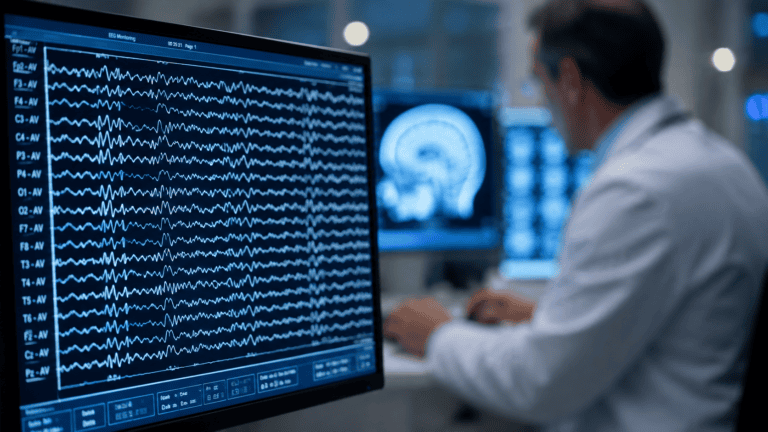
- MRI or CT scan of the brain to look for areas of recent or past damage
- Carotid ultrasound to look at blood flow in the neck arteries
- Heart tests if there is concern that clots might be coming from the heart
- Blood work to check for issues like blood sugar problems or certain vitamin levels
In the office, you may have brief cognitive screening. These are short tasks that check areas like memory, attention, language, and planning. If needed, more detailed neurocognitive testing may be recommended to better understand specific thinking strengths and weaknesses.
At A&B Neurology, our practice focuses on adult patients age 16 and older. We do not evaluate or treat autism, intellectual disabilities, cerebral palsy, neuropathy, or pain disorders. Our goal is to focus on adult neurological conditions such as TIA, stroke, epilepsy, migraines, multiple sclerosis, Parkinson’s disease, dementia, and traumatic brain injury.
When Memory Loss After TIA Is an Emergency
Not all memory issues after a TIA are urgent, but some are. It is important to know when to call 911 instead of waiting for a regular visit. Emergency warning signs include:
- Sudden trouble speaking or understanding others
- New weakness or numbness on one side of the face, arm, or leg
- Facial droop that starts quickly
- Sudden severe headache that feels different from any past headache
- Sudden vision loss or double vision
- Sudden confusion that gets worse by the minute or hour
Mild forgetfulness that slowly improves over days or weeks usually fits with a scheduled neurology visit. But rapidly worsening confusion, strong agitation, or not recognizing family members is an emergency. Do not drive yourself in that situation, call 911.
During hot Texas summers, extra things can make thinking worse, especially in older adults. Dehydration from heat, infections like urinary tract infections, and medication side effects can all cause sudden confusion or make memory problems more noticeable. It is always safer to get urgent medical evaluation than to wait at home to see if it improves on its own.
How a Colleyville Stroke Doctor Helps Protect Your Future
A stroke doctor in Colleyville can do more than explain your memory changes. The goal is to protect your brain health going forward. At A&B Neurology, Dr. Babak Rezaei and our team work with primary care providers and local hospitals to look into what caused a TIA or minor stroke and what can be done to reduce your risk of a major stroke. This may involve reviewing medications, discussing lifestyle changes, and making sure any other conditions, such as high blood pressure, are managed by your broader care team.
If memory problems linger more than a few days after a TIA or minor stroke, or if you notice repeated brief spells of confusion or trouble speaking, it is important to have those symptoms evaluated. Bringing a full list of your medications, your symptom log, and any prior imaging or hospital paperwork helps us see the full story. When possible, an adult family member who knows you well can join the visit and share what they have noticed.
Our practice is centered on adult neurology. We do not manage pediatric conditions, autism, intellectual disabilities, cerebral palsy, neuropathy, or chronic pain disorders. Our focus is on adult brain and nerve conditions, including those that affect memory after TIA or stroke, so we can help you understand what is happening now and what steps may help protect your brain in the future.
Protect Your Brain Health With Prompt, Expert Stroke Care
If you or someone you love has warning signs of a stroke, getting evaluated quickly by an experienced stroke doctor in Colleyville can make a life-changing difference. At A&B Neurology, we provide thorough stroke assessment, personalized treatment, and ongoing support to help protect your long-term brain function. Reach out to our team with questions or to schedule an appointment, or contact us today to discuss your next steps.