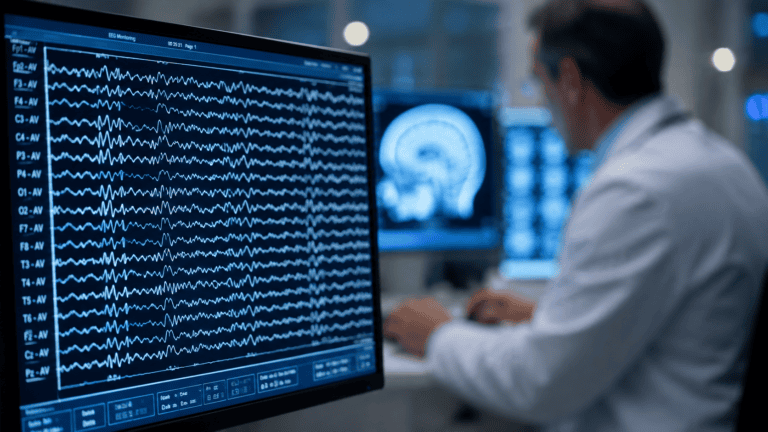
Clear Thinking After Illness: Why Brain Fog Matters
Brain fog is a common way people describe feeling mentally “off.” You might notice trouble focusing, slower thinking, losing your train of thought, or feeling like the right word is on the tip of your tongue but just will not come. After an illness like COVID-19, flu, pneumonia, or other infections, this fog can hang around long after the fever and cough fade.
When thinking is fuzzy, daily life gets harder. Work tasks take longer. Driving can feel less safe. Conversations with family feel frustrating because you forget what you were saying. During busy Texas summers, when schedules shift, kids are home, and activities pick up, that extra mental effort can feel exhausting.
At A&B Neurology in Colleyville, we see adults 16 and older who are dealing with brain fog after illness and want clear answers. We focus on adult neurology. We do not treat children under 16, intellectual disabilities, autism, cerebral palsy, neuropathy or neuralgia, or pain disorders. Our goal is to help adults understand what is going on and what can be done next.
What Brain Fog After Illness Really Is
Brain fog is a symptom, not a diagnosis by itself. It means your brain is not working at its usual speed or sharpness. That can show up as:
- Trouble concentrating
- Slower thinking or decision-making
- Word-finding problems
- Feeling mentally tired after simple tasks
This is different from conditions like dementia, stroke, or multiple sclerosis, which have specific patterns, test findings, and formal diagnoses. Because some symptoms can overlap, a careful neurological assessment is important to make sure brain fog is not a sign of something more serious.
After an illness, several things can contribute to foggy thinking. These may include inflammation from the infection, poor or disrupted sleep during and after being sick, medication side effects, and stress, anxiety, or low mood. Long periods of rest or being less active can also play a role, as can underlying issues like migraines, prior concussion, or other brain conditions.
Sometimes, what feels like “just brain fog” is not routine at all. Warning signs that need urgent medical care, not a routine office visit, include:
- Sudden weakness or numbness on one side of the body
- Sudden trouble speaking or understanding speech
- A severe, sudden headache that feels different from past headaches
- Seizures or loss of consciousness
- Sudden confusion, such as not knowing where you are
These symptoms should be treated as emergencies and need prompt medical attention.
How Neurologists Evaluate Brain Fog Symptoms
When you see a neurologist for brain fog treatment in Colleyville, you can expect a detailed conversation first. We will ask about:
- The illness that came before the brain fog
- When the fog started and how it has changed
- All medications and supplements you are taking
- Your sleep, stress level, and mood
- How thinking problems are affecting work, driving, and daily tasks
Next comes a neurological exam. This is a hands-on check of your strength, reflexes, coordination, eye movements, sensation, and walking. We may also do a brief cognitive screening in the office. This looks at memory, attention, language, and problem-solving.
Depending on what we find, we may suggest:
- Brain imaging, such as an MRI or CT scan, to look for stroke or other changes
- Lab work to check for issues like vitamin deficiencies, thyroid problems, or infections
- More in-depth cognitive testing with another specialist
At A&B Neurology, we care for adults with conditions like epilepsy, migraines, multiple sclerosis, Parkinson’s disease, dementia, and traumatic brain injury. If you already have one of these diagnoses, we will look closely at whether seizures, headaches, movement changes, or medications could be adding to your brain fog. Treatment plans for those conditions may be adjusted to better support clear thinking.
Personalized Strategies to Clear Post-Illness Brain Fog
There is no single quick fix for brain fog after illness, but a thoughtful plan can make a clear difference over time. We often start with non-drug strategies, which might include:
- A simple, structured daily routine
- A gradual return to work or school instead of jumping back full speed
- Focus on hydration and regular, balanced meals
- Improving sleep habits, including bedtime, wake time, and screen use
- Gentle movement, walking, or physical therapy as you regain strength
For some patients, treating related conditions is a key part of brain fog treatment in Colleyville. For example, if migraines are active, better headache control may help thinking. If seizures are not fully controlled, addressing that may reduce “spells” of confusion. Sleep disorders or mood changes may also need care, often in partnership with primary care.
We may coordinate with your primary doctor on issues such as:
- Blood pressure that is too high or too low
- Blood sugar problems
- Anemia or low iron levels
Daily tools can also make life easier while your brain heals. Many adults find it helpful to use planners or phone reminders for tasks and appointments, break big jobs into smaller steps with short breaks, limit multitasking and do one thing at a time, and choose quieter settings for important conversations or focused work. These changes may feel small, but when used consistently over weeks to months, they often add up to noticeable improvements in clarity and confidence.
When Brain Fog Signals Something More Serious
Most brain fog after illness slowly improves. But sometimes, it uncovers a neurologic condition that was already starting. In adults who are at higher risk, ongoing brain fog can be linked to early dementia, changes after a small stroke, or inflammatory conditions like multiple sclerosis.
It helps to know what is normal recovery and what is not. Normal recovery might look like:
- Gradual improvement from week-to-week
- Good and bad days, but an overall better trend
- Fog that flares when you are tired, dehydrated, or under extra stress
Red flags that call for prompt neurologic evaluation include:
- Memory loss that is getting worse, not better
- Getting lost in familiar places
- Clear changes in personality or behavior
- New movement problems, such as tremor, stiffness, or shuffling
- Repeated falls or new trouble with balance
A&B Neurology focuses on adult neurologic diagnoses. We do not treat autism, cerebral palsy, intellectual disabilities, neuropathy or neuralgia, pain disorders, or children under 16. Our work centers on conditions of the adult brain and nervous system that may be hiding behind what first looks like simple brain fog.
Taking the Next Step Toward Clearer Thinking
If you are still struggling to think clearly weeks or months after an illness, even with rest and basic self-care, it may be time to have your symptoms checked. A focused neurological evaluation can sort out whether this is typical recovery, something related to an existing diagnosis, or a sign of another problem that needs attention.
To prepare, it helps to:
- Bring a complete list of your medications and supplements
- Write down a timeline of your illness and when brain fog started
- Note any past neurologic issues, such as stroke, seizures, migraines, or head injury
- Bring concrete examples of what you are forgetting or where you lose focus
Our team at A&B Neurology is dedicated to helping adult patients and their families understand brain fog after illness and explore practical steps toward safer, clearer thinking, both in the summer months and throughout the year.
Take The Next Step Toward Clearer Thinking
If brain fog is affecting your memory, focus, or daily confidence, we are here to help you find answers and a personalized plan forward. Our neurologists at A&B Neurology provide comprehensive evaluation and evidence-based brain fog treatment in Colleyville tailored to your unique needs. Schedule an appointment today so we can explore what is causing your symptoms and outline practical options for relief. If you are ready to talk with our team, you can contact us to get started.