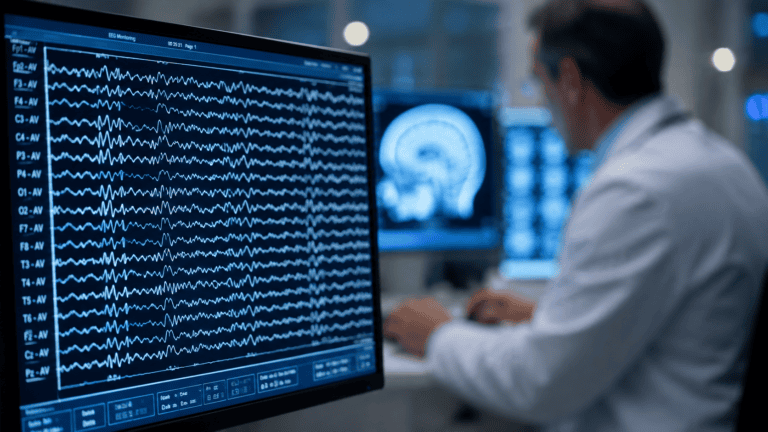
A stroke emergency can turn life upside down in a single day. Once the urgent hospital care is over and you return home, you may feel unsure what to do next or who to see for long-term help. Finding the right stroke doctor in Colleyville is one of the most important choices you can make for your recovery and for lowering the chance of another stroke.
In this guide, we will walk through why follow-up stroke care matters, what to look for in a neurologist, what to expect at your first visit, and how ongoing care can support your health. Our goal is to help you feel more prepared, less scared, and more in control of the road ahead.
Finding the Right Stroke Expert When the Crisis Has Passed
The days and weeks after a stroke can feel confusing. You may be thinking about new medications, therapy visits, and changes in memory, balance, or speech. Family members often worry about how to keep you safe and what warning signs to watch for.
This is when a dedicated stroke doctor in Colleyville becomes very important. Hospital teams focus on the emergency, like stopping brain damage and keeping you stable. After that, a neurologist helps with long-term brain health, recovery goals, and ways to lower the chance of another stroke.
Choosing a local specialist means you have someone nearby who understands your medical history, your daily routine, and the needs of families in our area. Timely follow-up after leaving the ER or hospital gives you a chance to review what happened and make a clear plan for what comes next.
Why Follow-up Stroke Care Matters After the ER
Stroke treatment in the ER and hospital is about saving lives and limiting damage. Once you are stable, the focus shifts to careful management over time. In the first days to weeks after a stroke, many things can change, including your risk level, how your body tolerates new medications, and whether any new symptoms appear.
Some common changes and concerns in the early recovery period include:
- Risk of another stroke
- Side effects from new medications
- Blood pressure going too high or too low
- Heart rhythm changes
- New or worsening symptoms, like weakness or trouble speaking
A stroke doctor watches these areas closely and uses follow-up visits to fine-tune your treatment plan. For example, the neurologist may need to adjust medications, monitor how they work together, and make sure your recovery supports your daily life, not just your test results.
At follow-up visits, the neurologist can:
- Adjust medications for blood pressure, blood thinners, or cholesterol
- Watch for drug interactions and side effects
- Coordinate physical, occupational, and speech therapy
- Check balance, walking, mood, and sleep patterns
In North Texas, hot summers can add extra strain. Dehydration, time outside in the heat, or changes in activity can affect blood pressure and stroke risk. A local neurologist can talk through safer ways to stay active and hydrated when temperatures climb.
Key Qualities to Look for in a Stroke Doctor in Colleyville
Not every doctor is the right fit for every patient. When choosing a stroke doctor in Colleyville, there are several things you may want to consider, including the doctor’s training, communication style, and practical factors that make consistent follow-up easier during recovery.
Professional background:
- Board certification in neurology
- Experience caring for people after stroke or TIA
- Active hospital affiliations
- Comfort with current stroke treatment guidelines
Communication also matters because stroke affects the whole family, not just the person who had it. You’ll often get the most value from a doctor who explains what’s happening in clear language and creates space for questions and concerns.
During visits, look for a doctor who:
- Listens carefully to your story
- Takes time to explain test results in simple language
- Welcomes questions from both patients and family members
- Respects your goals, values, and fears
Practical details can make care easier, especially when fatigue, mobility issues, or driving limitations are part of recovery. Things like location, scheduling, and how the office handles patient concerns can strongly affect how easy it is to stay on track.
Practical details to consider include:
- A convenient Colleyville location
- Reasonable appointment availability
- Options for telehealth follow-ups when the heat is intense or driving is hard
- A helpful, responsive office staff that takes your concerns seriously
When these pieces fit together, it is easier to stay on track with visits and feel confident in your care.
What to Expect at Your First Post-Stroke Neurology Visit
Your first visit with a stroke doctor after leaving the hospital is usually very detailed. The neurologist wants to understand what happened from start to finish and how you are doing now compared with when you left the hospital. This helps the doctor confirm the likely cause of the stroke, identify any ongoing risks, and set priorities for recovery.
Plan for the visit to include:
- Review of hospital records, ER notes, and discharge papers
- Review of CT or MRI brain scans
- A list of medications, including doses and timing
- A full neurologic exam to check strength, reflexes, sensation, vision, speech, memory, and balance
There may also be discussions about key goals and day-to-day decisions that affect safety and prevention. The neurologist may help you understand what targets you should aim for, what monitoring you may need at home, and what kinds of activities are appropriate at this stage.
Topics often include:
- Blood pressure goals and how to check readings at home
- Cholesterol management and blood-thinning medications
- Whether heart rhythm monitoring is needed
- How much activity is safe right now
- How to stay hydrated and avoid overheating, especially in the summer
From there, the stroke doctor works with you to build a personal care plan that matches your symptoms, your daily responsibilities, and your goals. The plan is designed to support recovery while also reducing the chance of another stroke.
This may include:
- Referrals to physical, occupational, or speech therapy
- Advice about driving, working, and daily tasks
- A realistic recovery timeline based on your type of stroke and current abilities
- Clear steps for what to do if new symptoms appear
The goal is to leave that first visit with a better understanding of what happened and what you can do next.
Building a Long-Term Stroke Prevention Plan
Stroke recovery is not just about healing from what already happened. It also means working to lower the chance of another event. Long-term prevention is typically built around managing the health conditions and lifestyle factors that raise stroke risk, along with regular follow-up to track progress and adjust the plan as needed.
A stroke specialist helps manage conditions that raise stroke risk, such as:
- High blood pressure
- Atrial fibrillation or other heart rhythm issues
- Diabetes
- High cholesterol
- Sleep apnea
- Smoking
In our part of Texas, hot, long summers can bring added challenges, like more time in the sun, outdoor activities, and travel. Because heat and dehydration can affect blood pressure and overall strain on the body, your doctor can help you plan ahead in practical ways that still support an active lifestyle.
Your doctor can talk with you about:
- Safe exercise plans that fit the heat and your energy level
- How much water to drink based on your health conditions
- How to handle time changes, car trips, or flights
- Adjusting activity on days you feel lightheaded or overly tired
Over time, follow-up visits help track your progress. Your neurologist may adjust medications, repeat labs or imaging when needed, and update your prevention plan as you regain strength and confidence.
How A&B Neurology Supports Stroke Survivors in Colleyville
At A&B Neurology in Colleyville, we focus on caring for people after stroke and TIA, as well as many other neurologic conditions. Our practice is led by Dr. Babak Rezaei, a board-certified neurologist with experience in comprehensive brain and nerve care.
Our stroke care approach includes:
- Careful review of hospital records and imaging
- Thorough neurologic exams and clear explanations
- Education about stroke warning signs and when to seek urgent help
- Close coordination with primary care doctors and cardiologists
- Attention to other neurologic issues, such as migraines or seizures, that may affect your recovery
We understand that many patients want to return to driving, working, and enjoying time with family as safely as possible. Our goal is to support those steps in a thoughtful, patient-centered way. Our Colleyville location and compassionate staff make it easier for local patients and families to get consistent, ongoing stroke care close to home.
Protect Your Brain Health With Expert Stroke Care Today
If you or a loved one has experienced stroke symptoms, you should not wait to get expert neurological care. At A&B Neurology, our experienced stroke doctor in Colleyville provides thorough evaluation and treatment focused on protecting your long-term brain health. We will walk you through your options, answer your questions, and create a personalized care plan tailored to your needs. To schedule an appointment or ask about next steps, please contact us today.