Forgetting a name or misplacing your glasses can leave you wondering about normal aging versus dementia. The most useful distinction is the pattern: occasional lapses that do not disrupt independence differ from persistent changes that make familiar activities harder. A single forgotten word cannot tell you the cause.
Arrange a medical evaluation when memory or thinking changes are worsening, interfering with daily life, or noticeable to someone who knows you well. You do not have to wait until problems become severe. Dementia is not an inevitable part of aging, and memory concerns do not automatically mean Alzheimer’s disease.
Look at changes from your usual abilities
Some people take longer to recall names or find the right word as they get older. Typical age-related changes generally do not prevent someone from working, maintaining relationships, or living independently.
More concerning changes involve difficulty doing things that were previously manageable. The question is not simply, “Did I forget something?” It is also, “Is this happening more often, and is it changing how I function?”
The Alzheimer’s Association’s examples of age-related changes and warning signs illustrate these differences. The examples below are clues to discuss with a clinician, not diagnostic rules.
| Situation | An occasional lapse | A change worth discussing |
|---|---|---|
| Appointments | Forgetting an appointment but remembering it later. | Repeatedly forgetting important events or asking the same questions. |
| Finding belongings | Misplacing an item and finding it by retracing your steps. | Putting items in unusual places and being unable to retrace your steps. |
| Recalling words | Occasionally struggling to find the right word. | New difficulty following conversations or naming familiar objects. |
| Familiar tasks | Making an occasional mistake with a bill. | Increasing difficulty managing bills or following a familiar recipe. |
Getting lost on a familiar route is another reason to seek evaluation. These examples cannot confirm dementia or establish that a lapse is harmless.
Normal aging, mild cognitive impairment, and dementia
These terms describe different degrees of change in thinking and daily functioning.
- Normal age-related changes: Recall may be slower, but everyday independence remains intact.
- Mild cognitive impairment: Also called MCI, this means memory or other thinking changes exceed what is expected with aging, while the person generally remains independent in daily activities.
- Dementia: A term for changes in memory, language, judgment, or other thinking abilities that are significant enough to interfere with daily life and independent functioning.
According to Mayo Clinic’s explanation of mild cognitive impairment, MCI increases the risk of dementia, but progression is not certain. Some people remain stable, and some improve. Follow-up helps clinicians understand the course of the changes.
Alzheimer’s disease is one cause of dementia, not another name for every memory problem. Determining the cause requires clinical assessment rather than matching yourself to a list of symptoms.
Other conditions can affect memory
A memory evaluation also considers factors beyond dementia. Mayo Clinic’s guidance on memory loss identifies possible contributors such as:
- Side effects from medicines or combinations of medicines.
- Depression, anxiety, and stress.
- Untreated sleep apnea, a condition that repeatedly interrupts breathing during sleep.
- An underactive thyroid or vitamin B12 deficiency.
- Head injuries and excessive alcohol use.
Some contributing conditions can be treated, and memory symptoms may improve when they are addressed. That does not mean all memory problems are reversible or that sleep and lifestyle changes will resolve them.
Tell your clinician about changes in sleep, mood, health, and medication use. Do not stop prescribed medicine or start supplements based on an assumed cause.
When to schedule an evaluation
Contact a healthcare professional if changes persist, become more frequent, or affect familiar responsibilities. Increasing difficulty handling finances, preparing meals, following conversations, or navigating familiar places deserves attention.
Concerns raised by a trusted family member or friend also matter. Someone close to you may notice changes that are difficult to recognize yourself. Their observations can help explain what has changed without defining you by a symptom or diagnosis.
An evaluation does not automatically lead to a dementia diagnosis. Its purpose is to understand the symptoms, identify possible contributors, and determine appropriate next steps. Primary care can be a starting point, and neurological evaluation may be appropriate.
Sudden confusion needs emergency attention
Call 911 for sudden, unexplained confusion. An abrupt change over minutes or hours should not be dismissed as ordinary aging or left for a routine memory appointment.
The CDC’s stroke warning signs include sudden confusion, difficulty speaking or understanding speech, weakness or numbness on one side, vision changes, trouble walking, and a severe unexplained headache.
If these symptoms occur, call 911 immediately, note when they began, and use an ambulance rather than driving. Seek emergency help even if the symptoms improve. A sudden change also needs urgent attention in someone who already has dementia.
What a memory evaluation may involve
A clinician usually begins by asking when symptoms started, how they have changed, and how they affect daily activities. Medical history, medication use, mood, sleep, and observations from someone close to you help build the picture.
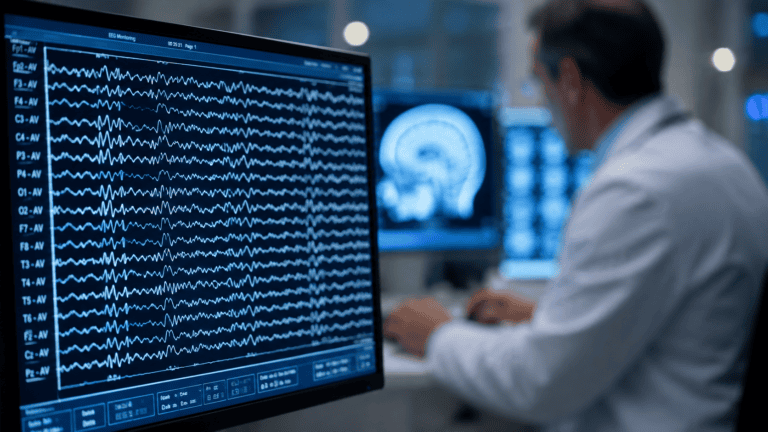
The Alzheimer’s Association describes memory assessment as a combination of history, examination, and testing selected for the individual. An evaluation may include memory and thinking tasks, a neurological examination, laboratory tests, or brain imaging when appropriate.
No single brief memory score tells the whole story. Clinicians interpret results alongside your usual abilities and daily functioning. Follow-up may be needed when the cause or pattern remains unclear.
Bring a few clear examples
You do not need a lengthy diary. A short set of notes can make the appointment more useful:
- Specific examples of what has changed.
- When changes began and whether they are worsening.
- Effects on familiar tasks and independence.
- A list of medications and supplements, including doses.
- Observations from a trusted family member or friend, who may accompany you with your agreement.
A&B Neurology provides care for dementia, cognitive decline, and memory problems. Dr. Babak Rezaei is a board-certified neurologist.
This content is educational and does not replace personalized medical advice.
For persistent or concerning memory changes, contact A&B Neurology in Colleyville at (214) 717-2772 about a non-emergency evaluation. For sudden confusion or other emergency symptoms, call 911 rather than waiting for an office appointment.